
2026 - Benin Presidential Election 2026 (Benin)
Overview
On April 12 2026, Beninese voters went to the polls to choose their next president. Finance Minister Romuald Wadagni won the election with over 94% of the vote, a margin that said less about his popularity than about the narrowed field he ran in. Voter turnout stood at 58.75%
Political Context
Benin has long worn its reputation as one of West Africa’s few stable democracies in recent times. However, stability and openness are not the same thing, and over the course of Patrice Talon’s two terms in office, the gap has quietly widened. Tightened electoral rules, constitutional changes, the prosecution of opposition figures, and the steady marginalisation of rival parties have reshaped the political landscape in ways that affect the credibility of the electoral processes preceding election day.
To his credit, Talon did not attempt to cling to power. Barred by the constitution from seeking a third term, he stepped aside but not without first making clear who he believed should succeed him. His finance minister, Romuald Wadagni, entered the race with the full backing of the ruling coalition and all the advantages that entailed. For most observers, the real drama of this election was never about who would win. It was about whether any credible opposition figure would even get the chance to run against him.
That question became all the more urgent in December 2025, when a group of mutinous soldiers attempted a coup. They cited a litany of grievances, the deteriorating security situation in the country’s north, where al-Qaeda-linked jihadists had been killing soldiers with alarming regularity, alongside complaints about military favoritism and political repression. The coup was crushed, with help from Nigerian forces and French logistical support. But the attempt itself was a reminder that beneath Benin’s calm surface, serious tensions have been building.
Candidates
The list of candidates that finally made it onto the ballot was a short one and getting there was no easy feat. Benin’s electoral rules demand that presidential hopefuls secure formal endorsements from at least 15% of all MPs and mayors combined. In a political environment where the ruling coalition dominates institutional life, that bar proved far too high for most opposition figures.
Kémi Séba, a provocative pro-Russian blogger who had declared his candidacy back in January 2025, never made it through. He later publicly backed the December coup attempt, and an arrest warrant was issued for him shortly after. Prince Anatole Ouinsavi and Elisabeth Agbossaga were both ruled inadmissible by the electoral commission in October 2025. Renaud Agbodjo, the candidate put forward by The Democrats Benin’s main opposition party couldn’t secure enough sponsorships or pay the registration fee, and his appeal to the courts was rejected.
That left just two names on the ballot: Romuald Wadagni, Talon’s chosen successor and the candidate of the establishment, well-resourced, running alongside vice-presidential candidate Mariam Chabi Talata and Paul Hounkpè, the Executive Secretary of the FCBE, a man who had spent years in the opposition trenches and who now found himself as the last man standing between Wadagni and an uncontested victory. His running mate was Rock Judicaël Hounwanou.
The absence of The Democrats from the ballot was perhaps the most consequential development of all. As the country’s leading opposition force, their exclusion left Hounkpè representing a smaller party to carry the entire weight of the opposition.
Key Issues Shaping Voter Choice
Security: In the north of the country, jihadist violence linked to the al-Qaeda-affiliated group JNIM has been escalating with devastating effect. Fifty-four soldiers were killed in a single attack in April 2024. Another fifteen died in a similar strike months later. For communities living under the shadow of that threat, no other issue came close.
Cost of living and poverty: For ordinary Beninese particularly those outside the cities, daily economic pressures remained front of their minds. Wadagni spoke of expanding on Talon’s modernisation agenda while spreading its benefits more broadly. Hounkpè made a direct promise to bring down the prices of essential goods, a message that resonated in markets and households struggling to make ends meet.
Political prisoners and civil liberties: One of Hounkpè’s most pointed campaign pledges was to free opposition figures jailed under the Talon administration. It was a promise that captured something real: a sense, shared by many, that political dissent had come at an increasingly steep price in recent years.
Voting and Results
Across 17,462 polling stations including 112 overseas nearly 7.9 million registered voters were given the chance to have their say. Voting was conducted using paper ballots, which were counted on-site and transmitted securely to CENA. An ECOWAS observer mission led by former Ghanaian president Nana Akufo-Addo monitored proceedings and praised the calm, well-organised conduct of the vote.
Provisional results on April 13 showed Wadagni and his running mate Mariam Chabi Talata had secured 94.05% of the vote. Hounkpè and Hounwanou received 5.95%, just over 269,000 votes.
Hounkpè had already conceded by then, releasing a statement that acknowledged the direction of the results and called on all sides to honour the democratic process.
Results Summary
| Photo | Candidate | Political Party | Total Votes |
|---|---|---|---|
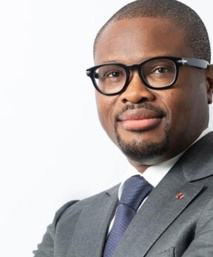
|
Romuald Wadagni | Independent Candidate | 4,252,347 |
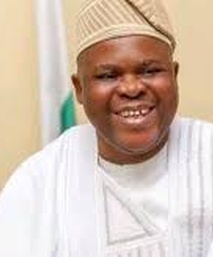
|
Paul Hounkpe |
FCBE
|
269,433 |
 Take Voters' Compass